
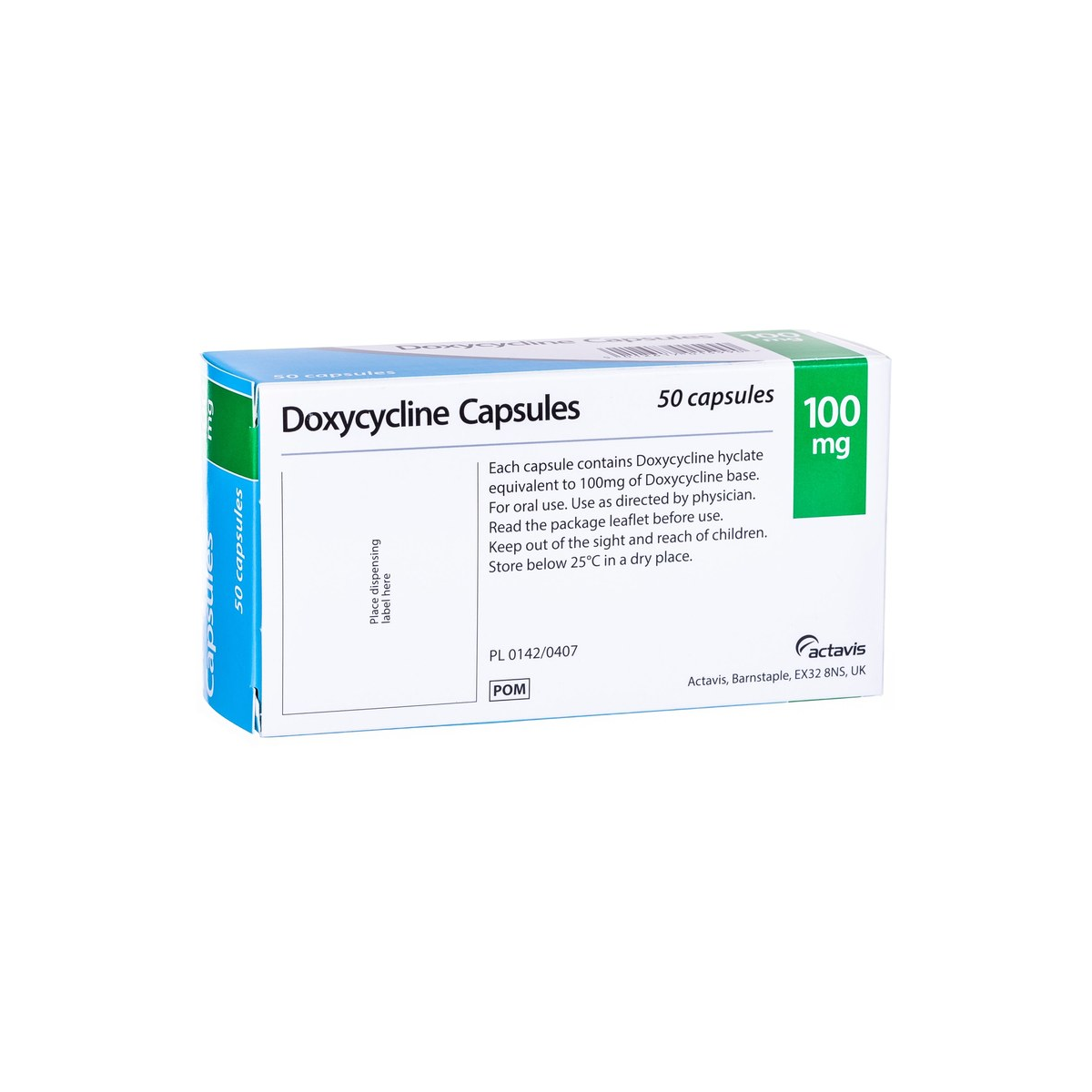
Doxycycline is a tetracycline antibiotic used to treat inflammatory acne by reducing the bacteria that contribute to spots and calming skin inflammation. Take it exactly as prescribed with a full glass of water and avoid lying down for at least 30 minutes afterwards. Common side effects include nausea, stomach upset, diarrhoea and increased sensitivity to sunlight. Use sunscreen daily and complete the full course unless advised otherwise.
Doxycycline is an antibiotic commonly used to treat chlamydia by eliminating the bacteria responsible for the infection. Take it exactly as prescribed and complete the full course even if symptoms improve. Common side effects include nausea, diarrhoea, stomach discomfort and increased sensitivity to sunlight. Avoid sexual contact until treatment has been completed and all partners have been appropriately treated to reduce the risk of reinfection.
Doxycycline helps prevent malaria when travelling to areas where malaria is present. Take one capsule daily exactly as prescribed, starting before travel, continuing throughout your trip and for four weeks after leaving the malaria-risk area. Common side effects include stomach upset, nausea and increased sensitivity to sunlight. Continue using insect repellent, mosquito nets and protective clothing as medication alone does not provide complete protection.
Doxycycline is used to treat perioral dermatitis by reducing inflammation and controlling the bacteria associated with the condition. Take it exactly as prescribed with plenty of water and avoid lying down immediately afterwards. Common side effects include nausea, stomach upset and increased sensitivity to sunlight. Avoid using topical steroid creams unless advised, and seek medical advice if your rash worsens or fails to improve.
Doxycycline is used to treat rosacea by reducing inflammation and improving spots and redness associated with the condition. Take it exactly as prescribed with plenty of water and protect your skin from sunlight during treatment. Common side effects include nausea, diarrhoea, stomach upset and increased sensitivity to sunlight. Avoid known rosacea triggers where possible and seek medical advice if symptoms do not improve.
Doxycycline is a tetracycline antibiotic used to treat inflammatory acne by reducing the bacteria that contribute to spots and calming skin inflammation. Take it exactly as prescribed with a full glass of water and avoid lying down for at least 30 minutes afterwards. Common side effects include nausea, stomach upset, diarrhoea and increased sensitivity to sunlight. Use sunscreen daily and complete the full course unless advised otherwise.
Doxycycline is used to treat perioral dermatitis by reducing inflammation and controlling the bacteria associated with the condition. Take it exactly as prescribed with plenty of water and avoid lying down immediately afterwards. Common side effects include nausea, stomach upset and increased sensitivity to sunlight. Avoid using topical steroid creams unless advised, and seek medical advice if your rash worsens or fails to improve.
Doxycycline is used to treat rosacea by reducing inflammation and improving spots and redness associated with the condition. Take it exactly as prescribed with plenty of water and protect your skin from sunlight during treatment. Common side effects include nausea, diarrhoea, stomach upset and increased sensitivity to sunlight. Avoid known rosacea triggers where possible and seek medical advice if symptoms do not improve.