Altitude Sickness

Travelling to a high-altitude destination? Book a private face-to-face consultation with one of our qualified Prescribing Pharmacists for expert advice on preventing and managing altitude sickness. During your consultation, we'll review your travel itinerary, planned altitude, medical history and any existing health conditions to assess your individual risk. Where clinically appropriate, we can prescribe medication to help prevent altitude sickness and provide practical advice on safe ascent, acclimatisation and recognising the early signs of altitude-related illness. Whether you're trekking, skiing, climbing or travelling to high-altitude destinations, we'll help you prepare so you can enjoy your trip safely and confidently.

Altitude Sickness

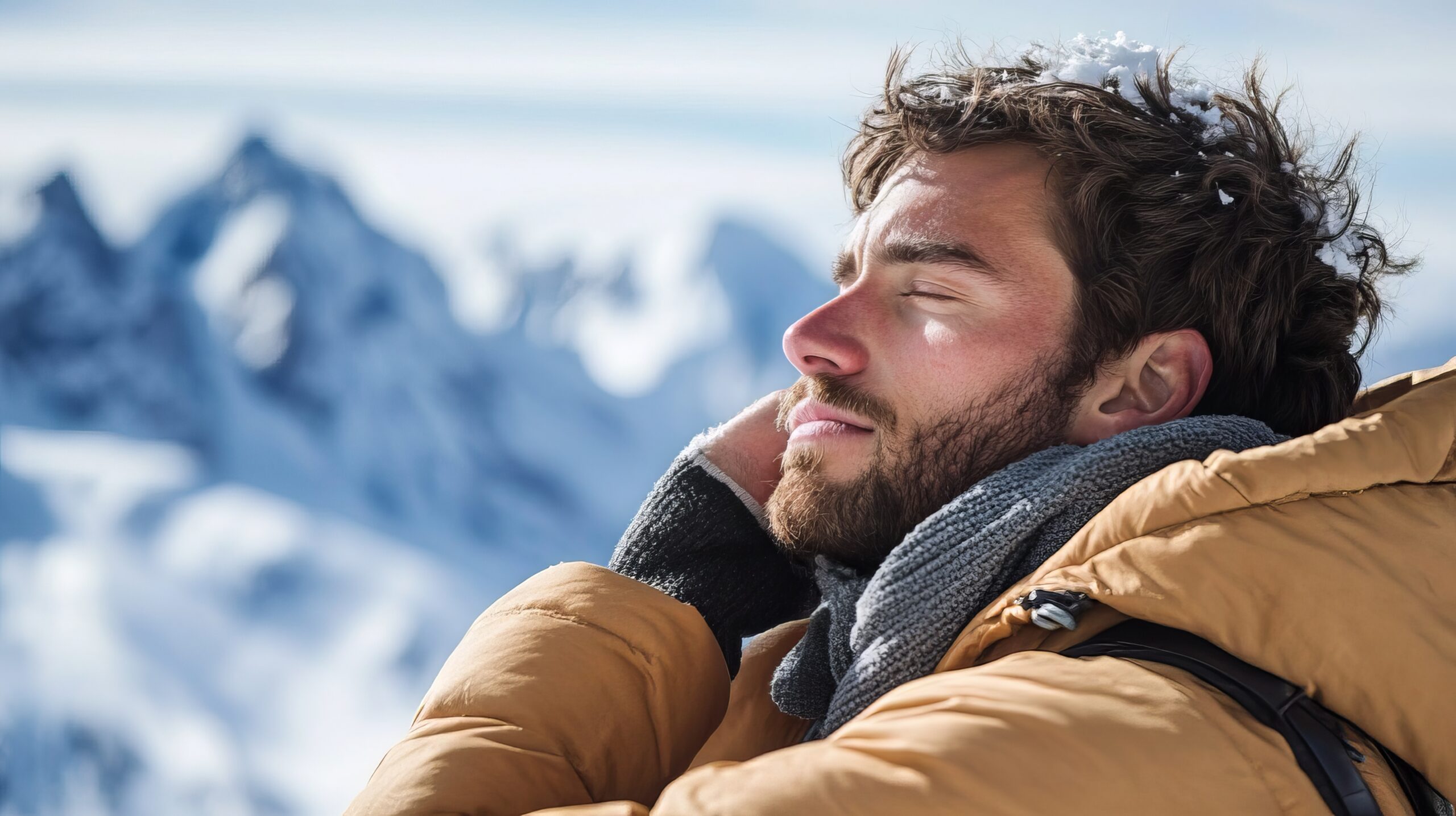
Altitude sickness, also called acute mountain sickness, occurs when the body does not adjust properly to high altitudes with lower oxygen levels. Common symptoms include headache, dizziness, nausea, tiredness, shortness of breath, and difficulty sleeping.

The risk increases when climbing or traveling to high altitudes too quickly. One of the most effective ways to prevent altitude sickness is the use of acetazolamide, a medication that helps the body adapt to altitude faster and can reduce the severity of symptoms.

It is often recommended for people traveling to high mountains or those with a history of altitude sickness. Drinking enough fluids, resting, and ascending gradually can also help reduce the risk.
How it works

Three steps from booking to treatment

1

Book your consultation

Choose your pharmacy service and arrange an appointment online.

2

Clinical consultation

Attend a private face-to-face consultation with a qualified pharmacist.

3

Treatment & prescriptions

Receive expert treatment recommendations and prescriptions where clinically appropriate.

Prices

Travel consultation £10. Treatment is supplied only where clinically appropriate.

GPhC registered pharmacy Registration 1119588. Check the register
Independent Prescribers Assessed, diagnosed and treated by a prescribing pharmacist
Private consultation room Nothing discussed at the counter

Frequently Asked Questions

Symptoms usually start above around 2,500m, and the risk rises the faster you ascend.
Usually a day or two before you begin ascending. Our pharmacist will give you a schedule based on your itinerary.
No. Gradual ascent is still the most important protection, and medication supports that rather than replacing it.
Your itinerary with planned altitudes and dates, plus details of any medicines you take.

Ready when you are